
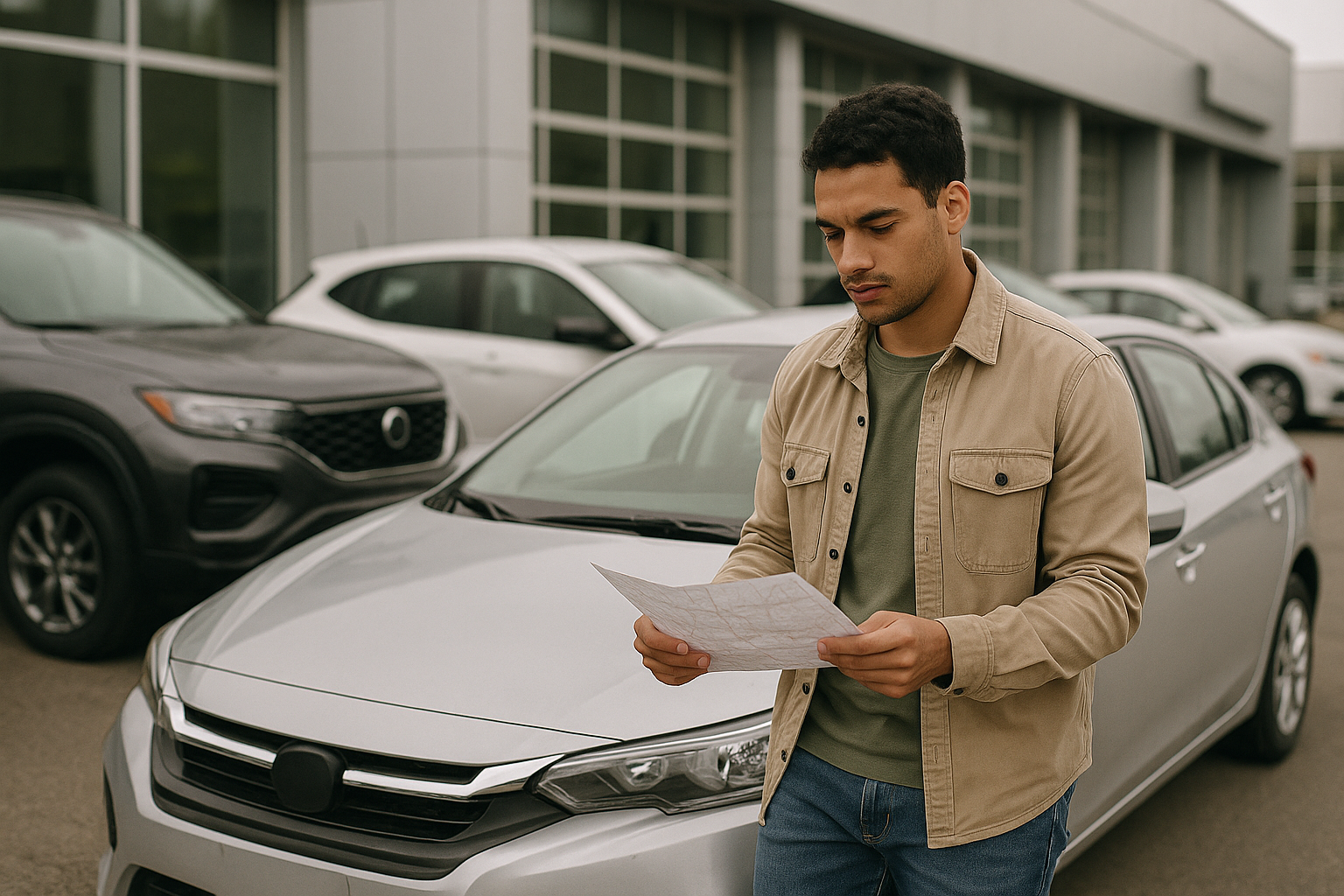
Navigating Your First Car Purchase in Ontario: A Roadmap for First-Time Buyers
Buying your first car in Ontario is an exciting milestone, but between hidden costs, provincial regulations, and the fine print of dealership contracts, it's easy for a first-time buyer to feel overwhelmed. This guide breaks down exactly what you need to know-from OMVIC protections to the true cost of ownership-so you can drive away with confidence, not confusion.
Buying your first car is an exhilarating milestone, but in Ontario, it is also a major financial commitment that requires careful navigation. From unpredictable insurance rates to strict provincial regulations, the road to vehicle ownership can quickly get bumpy if you don’t know what to look out for.
Whether you are hitting the local dealerships or scrolling through private listings online, here is your definitive checklist to ensure your first car purchase is smooth, legal, and budget-friendly.
1. Look Beyond the Sticker Price (The True Cost of Ownership)
When budgeting for your first car, many buyers focus solely on the vehicle's retail price or the bi-weekly loan payment. In Ontario, the real cost of keeping a car on the road involves several hidden figures: [1]
Sales Tax: You must pay 13% tax on the vehicle. For dealership sales, this is Harmonized Sales Tax (HST). For private sales, it is Retail Sales Tax (RST), which you pay directly to ServiceOntario based on the greater of the purchase price or the wholesale value of the vehicle.
Insurance Premiums: Ontario has some of the highest auto insurance rates in Canada, and premiums for new drivers routinely exceed the provincial average. Always call an insurance broker for a quote on the exact make, model, and year of the car before you sign any paperwork.
The Winter Tax: Living in Ontario means dealing with harsh winters. You need to factor the cost of a dedicated set of winter tires, steel rims, and seasonal swaps into your initial budget.
2. Dealership vs. Private Sale: Know Your Rights
Where you buy your car determines the level of legal protection you receive under Ontario law.
Buying from an OMVIC-Registered Dealer
The safest route for a first-time buyer is purchasing from a dealer registered with the Ontario Motor Vehicle Industry Council (OMVIC). Registered dealers must adhere to the Motor Vehicle Dealers Act (MVDA), giving you access to the Motor Vehicle Dealers Compensation Fund if something goes wrong.
When buying from an OMVIC dealer, you are protected by two crucial rules:
All-In Pricing: By law, the advertised price of a vehicle must include all mandatory fees (such as freight, pre-delivery inspection, and administrative fees). The only costs a dealer can add on top of the advertised price are HST and licensing fees. If a dealer tries to tack on unexpected "admin fees," you can walk away and report them.
Mandatory Full Disclosure: Dealers are legally required to provide a written history of the vehicle. They must disclose if the car was previously used as a rental, taxi, or police cruiser, if it has sustained damage exceeding $3,000, or if it carries a branded title (like "salvage" or "rebuilt").
Buying Privately
Private sales (buying from an individual on marketplaces like Kijiji or AutoTrader) are completely unregulated. OMVIC consumer protection laws do not apply to private transactions.
If you choose a private sale, the seller must purchase and provide you with a Used Vehicle Information Package (UVIP) for $20. This package lists the vehicle’s ownership history and, most importantly, confirms whether there are any active financial liens against the car. If you buy a car with an active lien, the lender can legally repossess the vehicle from you to clear the previous owner's debt.
3. There is No "Cooling-Off" Period
One of the most dangerous myths among first-time car buyers is that they have a few days to change their mind after buying a car.
Ontario has no cooling-off period for vehicle purchases. Once you sign a vehicle purchase agreement and the dealer accepts it, the contract is legally binding and all sales are final. A deposit does not constitute a full contract on its own, but if you back out after signing the final bill of sale, the dealer is legally entitled to keep your deposit to cover their losses. Do not pick up a pen until you are 100% committed.
4. Prioritize a Pre-Purchase Inspection (PPI)
Never rely solely on a fresh Safety Standards Certificate (SSC). In Ontario, a vehicle must pass a safety inspection to be registered and driven on public roads. However, an SSC only proves that the car met the absolute minimum road safety requirements on the exact day it was inspected. It is valid for only 36 days and is not a warranty. It won't tell you if the air conditioning is broken, if the transmission is about to slip, or if the engine has low compression.
Before handing over your money, insist on taking the car to an independent, trusted mechanic for a comprehensive Pre-Purchase Inspection (PPI). A mechanic will hoist the vehicle to look for hidden structural rust, structural damage from past accidents, or fluid leaks that a standard safety check might overlook.
5. Watch Out for "Curbsiders"
If you are looking at private listings, beware of curbsiders. These are illegal, unregistered dealers posing as private citizens selling their personal cars. They often sell rebuilt wrecks, vehicles with rolled-back odometers, or cars with hidden mechanical disasters.
Red flags of a curbsider include:
The seller's name doesn't match the name on the vehicle's ownership permit.
The seller refuses to provide a UVIP.
They insist on meeting in a public parking lot rather than at their home address.
They are selling multiple vehicles simultaneously online.
Always protect yourself by verifying who you are dealing with. If you suspect an individual is operating as an unlicensed dealer, you can check their status or report them directly via the OMVIC Dealer Portal.
Final Checklist for Delivery Day
When you are ready to pick up your new vehicle, ensure you bring the following to finalize the transfer at ServiceOntario or the dealership:
A valid Ontario Driver’s Licence (G2 or G minimum to insure and plate a vehicle independently).
Proof of Insurance (The pink liability card or a digital binder from your insurance provider).
The Vehicle Portion of the Permit signed by the previous owner (for private sales).
The completed UVIP and Bill of Sale.
Buying your first car should be an empowering experience. By taking your time, verifying the paperwork, and standing firm on your rights under Ontario law, you will drive off the lot with total peace of mind.
#CURBSIDERS
Shop Inventory
Find Your Next Vehicle