
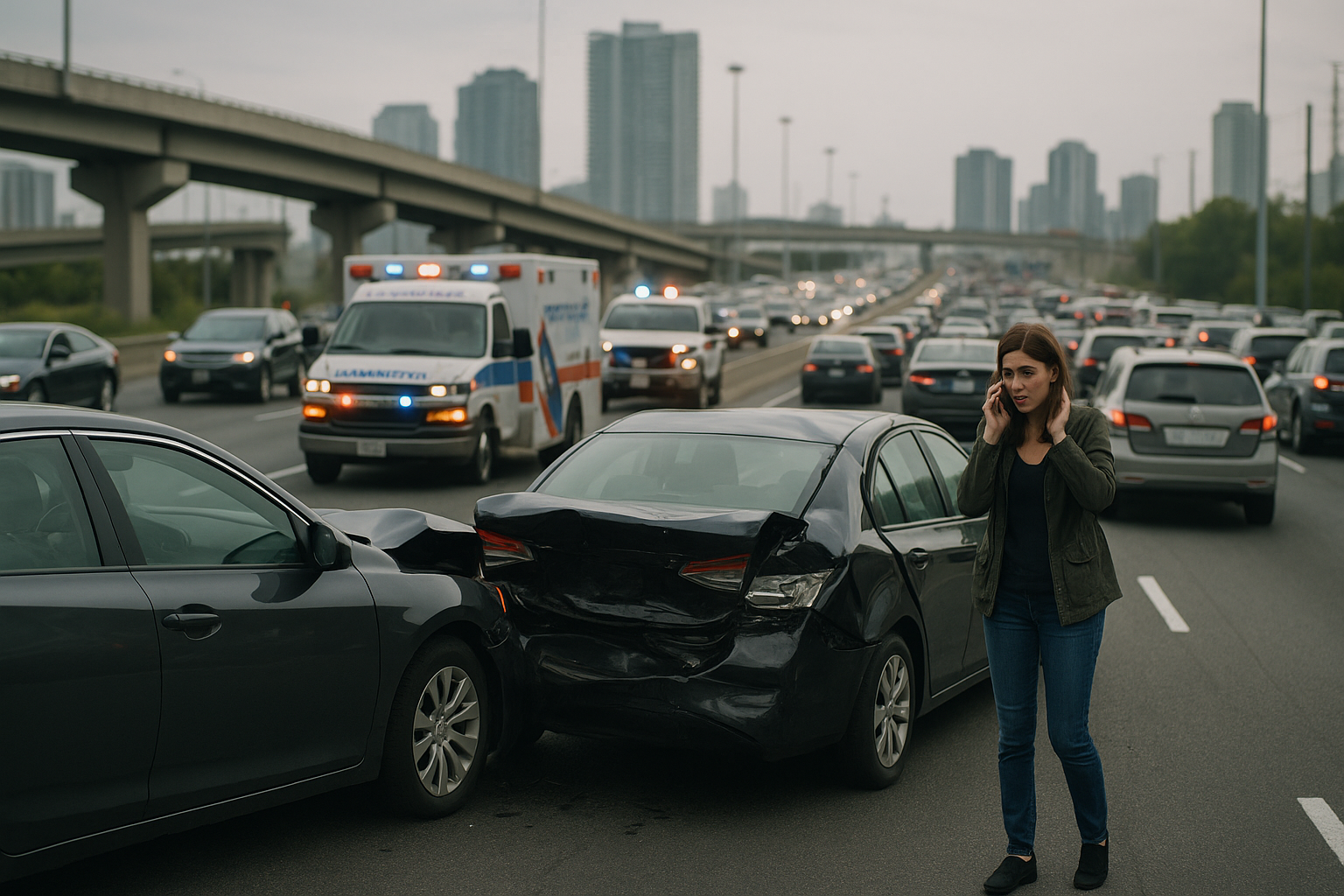
GTA Road Accidents on the Rise: Causes, Impact, and Solutions Explained
The Greater Toronto Area is facing a significant increase in road accidents and fatal crashes driven by distracted driving, congestion aggression, and population growth. This escalating safety crisis places heavy strain on local healthcare systems and regional infrastructure. For more details, visit the original publication source.
The Greater Toronto Area (GTA) is experiencing a troubling surge in road accidents, transforming daily commutes into hazardous journeys. In recent years, local law enforcement agencies, including the Toronto Police Service and the Ontario Provincial Police (OPP), have reported a steady climb in both minor collisions and fatal crashes across major 400-series highways and regional roads. This growing crisis has sparked urgent conversations among urban planners, law enforcement, and residents regarding what is driving this trend and how to reverse it.
The Driving Forces Behind the Spike
The rise in GTA traffic mishaps is not tied to a single flaw, but rather to a combination of behavioral, environmental, and infrastructural challenges.
Distracted Driving: Despite heavy fines and public awareness campaigns, mobile device usage behind the wheel remains a primary catalyst for collisions. Drivers frequently check notifications or navigate maps during heavy gridlock, leading to severe rear-end crashes when traffic suddenly halts.
Aggressive Driving and Speeding: The post-pandemic return to office routines has reintroduced intense traffic congestion. Drivers attempting to make up for lost time frequently engage in high-speed maneuvering, tailgating, and stunt driving—particularly on the Highway 401 and 407 corridors.
Rapid Population Growth: The GTA continues to welcome tens of thousands of new residents annually. This rapid expansion has put unprecedented volume on an aging road network, increasing vehicle density and the statistical likelihood of accidents.
Inadequate Infrastructure for Vulnerable Road Users: While vehicular collisions dominate the headlines, pedestrian and cyclist fatalities in urban centers like downtown Toronto, Brampton, and Mississauga have spiked. Many intersections lack the structural design elements required to keep non-motorists separated from heavy traffic.
Socio-Economic Impact
The consequences of unsafe roads extend far beyond insurance claims. The current trajectory places an immense strain on local resources:
Healthcare Bottlenecks: Emergency rooms and trauma centers across the GTA face added pressure from a continuous influx of crash victims.
Economic Stagnation: Major highway closures due to accident investigations cost the local economy millions of dollars in lost productivity and delayed supply chains.
Rising Insurance Premiums: Ontario drivers already pay some of the highest auto insurance rates in Canada, and the frequency of regional claims continues to push those premiums upward.
The Path Forward: Vision Zero and Beyond
To combat this epidemic, municipalities across the GTA are leaning into "Vision Zero"—a global initiative aimed at eliminating all traffic fatalities and severe injuries. Key strategies currently being deployed or advocated include:
Automated Enforcement: Cities like Toronto and Mississauga have expanded the use of Automated Speed Enforcement (ASE) cameras in school zones and red-light cameras at notorious intersections to curb aggressive driving without relying solely on police presence.
Road Redesigns: Urban planners are advocating for "complete streets" that feature narrower vehicle lanes to naturally slow down traffic, raised intersections, and physically protected bike lanes.
Stricter Penalties: Road safety advocates are calling on provincial policymakers to introduce even harsher penalties for repeat stunt drivers and commercial vehicle operators who violate safety standards.
Conclusion
The rising rate of accidents on GTA roads is a complex crisis that demands immediate, coordinated action. While enforcement and better infrastructure are vital pieces of the puzzle, a fundamental shift in driver behavior is equally critical. For the GTA to remain a safe, livable metropolis, sharing the road with patience and undivided attention must transition from a courteous choice to an absolute community standard.
Shop Inventory
Find Your Next Vehicle